

Mobile phones have become an essential part of everyday life. People depend on them for work, communication, banking, entertainment, navigation, and even identity verification. With this level of dependency, one thing is certain: when a phone stops working, people need fast and reliable repair services.
This is why the mobile repair industry continues to grow. Whether it’s a broken screen, dead battery, water damage, software issue, or faulty charging port—users seek quick solutions. What makes this business attractive is that demand never stops, and repairs are often more affordable than buying new devices.
Many successful repair shop owners today started with a simple toolkit and a small workspace. With patience, skill, and the right strategy, they built profitable businesses. Like one expert said:
“Every big repair center you see today began with one tool, one table, and one person willing to learn.”
If you want to start your own cell phone repair shop, this complete guide will show you the exact steps—from skills to setup, tools, pricing, marketing, and running operations smoothly.
1. Understand the Mobile Repair Industry
Before you start, it’s important to understand the market. The mobile repair business includes:
- Hardware repairs
- Software troubleshooting
- Chip-level and board-level repairs
- Data recovery
- Phone unlocking and configuration
- Accessory sales
The market is strong because:
- Smartphones are expensive, so people prefer repair over replacement.
- Even new models face issues like cracked screens or charging faults.
- Customers want quick service, often within the same day.
- A repair shop can operate with small investment and grow over time.
To succeed, you must focus on quality, speed, transparency, and trust. Customers return when they feel safe handing over their device.
2. Learn the Required Repair Skills
You cannot run this business effectively without understanding repairs. Even if you plan to hire technicians, you must know the basics so you can manage quality, pricing, and customer expectations.
Learn both hardware and software repairs:
- Screen replacement
- Battery replacement
- Charging port repair
- Speaker/mic repairs
- Water damage treatment
- Camera issues
- Motherboard diagnosis
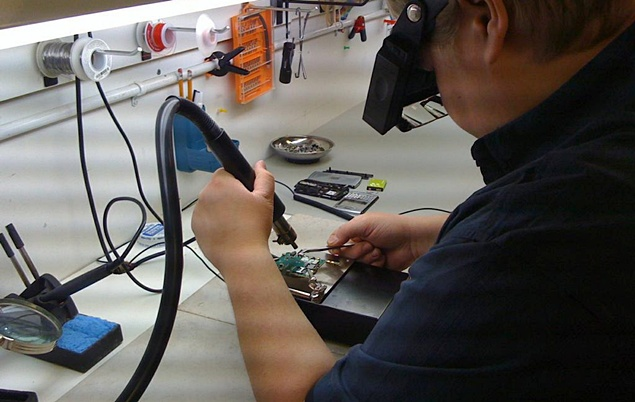
- Soldering and micro-soldering for board components
- Software flashing, unlocking, and device reset
- IMEI and network configuration (within legal limits)
You can learn from:
- A professional mobile repair training institute
- Online courses
- YouTube for basic techniques
- Forums and communities
- Practice on old or faulty phones
Tip: Start by mastering basic repairs, then progress to chip-level repairs as your skills grow. You can also join a self-study online cell phone repair course at Prizm institute to get yourself trained.
3. Decide the Type of Repair Business You Want to Start
There are multiple models depending on investment:
A. Home-based Repair Service
- Lowest startup cost
- Flexible working hours
- Best for beginners
B. Small Shop / Kiosk
- Moderate cost
- High visibility
- Good for walk-in customers
C. Full-Service Repair Store
- Higher investment
- Can offer advanced services
- Suitable for major markets
D. On-Site / Doorstep Repair Service
- Growing trend
- Customers love single-visit repairs
- Requires skilled technician and portable tools
Choose a model based on your budget, skills, and area demand.
4. Register Your Business and Legal Setup
Every serious repair shop should complete basic legal steps. It builds trust with customers and prevents future issues.
Key formalities:
- Register your business
- Set up GST (or local tax registration)
- Create a service invoice format
- Open a business bank account
- Maintain proper billing records
Customers often trust shops that appear professional and organized.
5. Choose the Right Location
Location plays a big role in success.
Best places:
- Near markets
- Near colleges or schools
- Inside commercial complexes
- Near bus stations or railway stations
- High-footfall residential areas
Choose a place that:
- Has good visibility
- Is easy to find
- Has enough space for customers and repair work
- Is affordable
Remember the saying:
“A great location can reduce your marketing cost by half.”
6. Set Up Your Repair Workspace
Your shop must look professional, clean, and trustworthy.
Components of an ideal shop:
- Workbench with bright lighting
- Anti-static mat
- Organized tool storage
- Display counter for accessories
- Waiting area for customers
- CCTV for security and trust
- Computer for billing and diagnosis
- Clean and clutter-free environment
Customers judge your skills by the cleanliness of your shop.
7. Essential Tools and Equipment You Need
To start a repair shop, invest in reliable tools. Avoid the cheapest kits because accuracy and safety depend on the quality of tools. You can excellent tools from rewa tools and union repair.
Basic tools:
- Screwdrivers and bit sets
- Tweezer set
- Pry tools and opening picks
- Suction cup
- Magnetic mat
- Multimeter
Advanced tools for professional repairs:
- Hot air rework station
- Soldering station
- Microscope for chip repair
- Separator machine for screen removal
- OCA machine (optional for big shops)
- Battery tester
- Power supply for board testing
- Ultrasonic cleaner
Software tools:
- Flashing tools
- Data recovery software
- Unlocking tools (only legal methods)
Start small and upgrade tools as your business grows.
8. Build Relationships With Spare Parts Suppliers
Reliable suppliers are essential for fast repairs. Look for suppliers who provide:
- High-quality spare parts
- Warranty on screens and batteries
- Bulk price discounts
- Consistent stock availability
- Fast delivery
Keep 2–3 suppliers for safety. Compare prices, quality, and delivery time.
9. Hire Skilled Technicians (optional)
If you plan to scale, hire skilled staff.
Qualities to look for:
- Good technical knowledge
- Honest and reliable
- Quick and careful
- Friendly with customers
- Willing to learn new techniques
Create a clear job role:
- Repairing
- Inventory management
- Customer updates
- Quality check
You can also hire a receptionist if your footfall increases.
10. Offer the Right Services
The best repair shops offer a mix of fast services and profitable add-ons.
Core repair services:
- Screen replacement
- Battery replacement
- Charging port repair
- Camera replacement
- Speaker and mic repair
- Liquid damage treatment
- Software installation
- Data recovery
- Motherboard repair (high-profit)
Additional income sources:
- Selling accessories
- Selling refurbished phones
- Buying old phones
- Selling new phones (optional)
- Tempered glass installation
- Phone cleaning service
- Doorstep repair
Offering multiple services increases customer value and generates more income.
11. Pricing Your Repair Services
Your pricing must cover:
- Spare parts cost
- Technician labor
- Shop rent
- Tools and equipment
- Your profit margin
Common pricing method:
Cost of part + service charge + margin
Offer transparent pricing. Customers appreciate honesty.
12. Create a Strong Brand Identity
Branding makes you different from your competitors.
Branding elements:
- Logo
- Shop name
- Staff uniforms
- Printed invoices
- Professional signage
- Branded packing for repaired phones
A strong brand builds trust.
13. Online Presence and Digital Marketing
A repair shop cannot grow without online visibility.
Must-have online assets:
- Google Business Profile
- WhatsApp Business
- Instagram page
- Facebook page
- Simple website (optional)
Promote your business with:
- Before/After repair photos
- Customer reviews
- Short repair videos
- Offers and discounts
- Location posts
Local SEO matters:
When people search “mobile repair near me”, your shop must appear on top.
Encourage customers to leave reviews. More reviews = more walk-ins.
14. Offline Marketing Methods That Still Work
Some traditional methods still attract customers:
- Flyers in nearby buildings
- Posters in colleges
- Business cards
- Referral discounts
- Partnerships with shops like gadget stores, photo studios, etc.
Word-of-mouth remains one of the strongest marketing tools in this business.
15. Customer Service – The Secret to Long-Term Success
Your repair skills may attract customers once.
Your service quality will bring them back again and again.
Focus on:
- Clear communication
- Honest diagnosis
- Upfront pricing
- Timely updates
- Quality checks before delivery
- Polite behavior
Customers trust shops that are transparent and friendly.
16. Managing Inventory and Spare Parts
Keep track of:
- Screens
- Batteries
- Charging ports
- Cameras
- Cases
- Tempered glass
Use a simple Excel sheet or POS software to manage stock.
17. Maintain Repair Records and Customer Data
Record:
- Customer name
- Model
- Problem
- IMEI number
- Parts replaced
- Warranty given
This protects you from disputes and improves customer trust.
18. Avoid Common Mistakes New Repair Shops Make
- Using cheap spare parts
- Overpromising and underdelivering
- Not giving receipts
- Not learning advanced repairs
- Ignoring online presence
- Working with outdated tools
- Poor communication
- No clear warranty policy
Avoid these mistakes to grow faster.
19. Expand Your Business Step-by-Step
As your business grows:
- Add more technicians
- Offer chip-level repair
- Introduce doorstep service
- Start selling accessories
- Sell refurbished phones
- Open a second branch
Growth comes from consistency and quality.
Conclusion
Starting a cell phone repair shop is one of the most practical business opportunities today. You can begin with small investment, grow gradually, and achieve consistent income if you focus on skills, quality service, transparency, and modern marketing.
This industry rewards those who keep learning and treating customers well.
Remember the quote:
“A repair shop doesn’t just fix devices—it fixes someone’s day.”
If you follow this step-by-step guide, you will be much better prepared to launch a successful and profitable repair business.